Explore over 100 loose teas: green tea from China and Japan, black tea from India, Sri Lanka and China, white tea, oolong, pu-erh, herbal and fruit blends, rooibos, mate, Ayurvedic blends and blooming tea.
For fresh, grassy or umami notes, explore green tea. For delicate floral flavours, try white tea. Black tea offers fuller malty or fruity profiles, while oolong ranges from floral and honeyed to roasted. Each tea's origin and processing shape its taste.
For infusions without tea leaves, explore herbal blends, fruit teas and rooibos and honeybush. Mate contains caffeine. Check the full ingredients of each blend rather than relying on its category name.
Leaves, aroma and loose tea
Loose tea gives the leaves room to open and lets you adjust the dose. Leaf grade, freshness, storage and brewing also affect aroma. Tea leaves naturally contain polyphenols, including catechins. For your daily choice, compare flavour, ingredients and preparation.
Brewing and storage
Follow the dose, temperature and time on the product page. Give the leaves room in a strainer and remove them after steeping. Store tea sealed, dry and away from light and strong smells. Explore teapots and tea caddies.
Frequently asked questions
Which tea should I choose for the evening?
If you avoid caffeine in the evening, check the ingredients of a herbal, fruit or rooibos blend. White, green, black and oolong teas contain varying amounts of caffeine. Do not assume every herbal blend is suitable for children or for someone sensitive to its ingredients.
How do green and white tea differ?
Green tea often tastes fresher and more vegetal, while white tea can be delicate, floral or honeyed. Read the individual tasting notes and try a smaller pack where available.



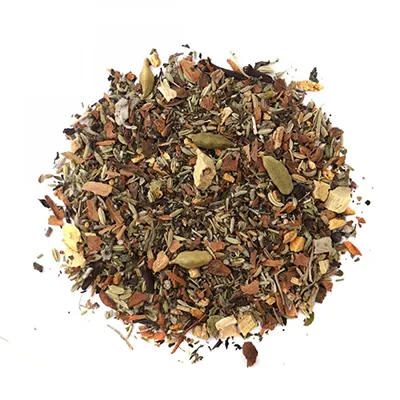 Ayurvedic tea
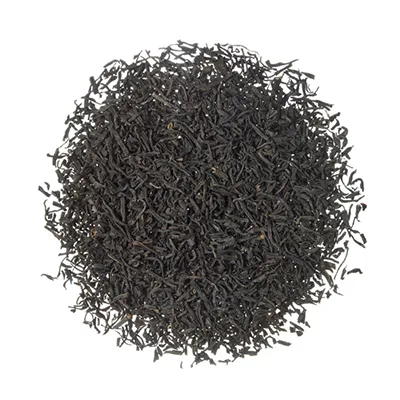 Black tea
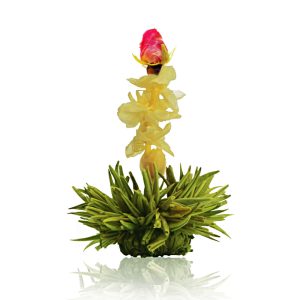
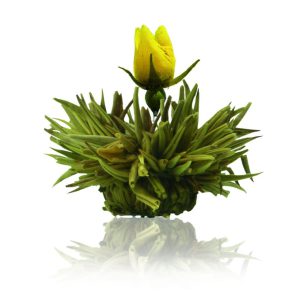
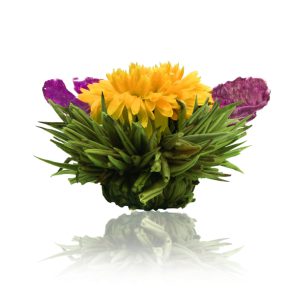
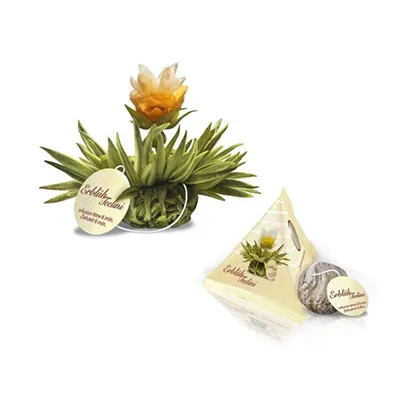 Blooming tea for cups
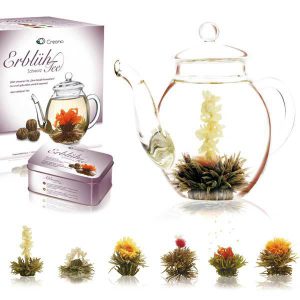 Blooming tea for teapots
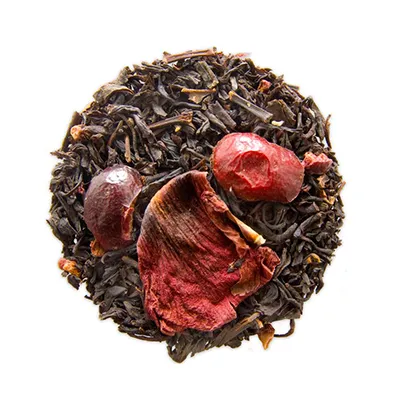 Flavoured black tea
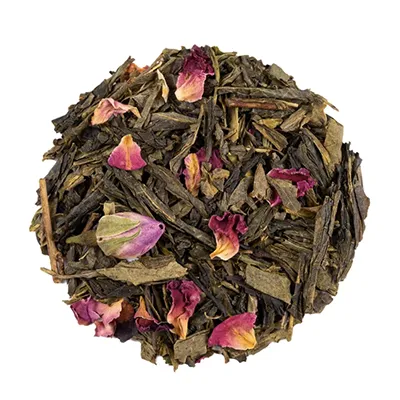 Flavoured green tea
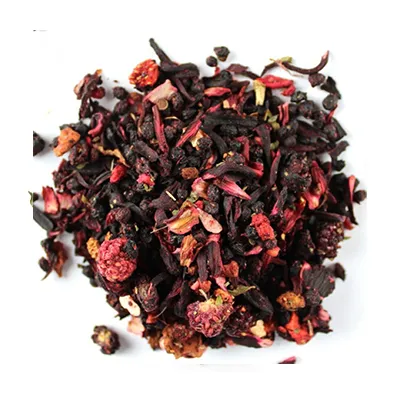 Fruit tea
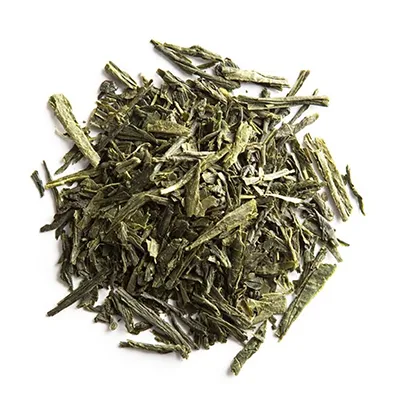 Green tea
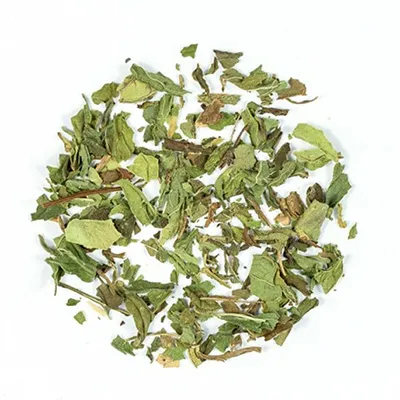 Herbal tea
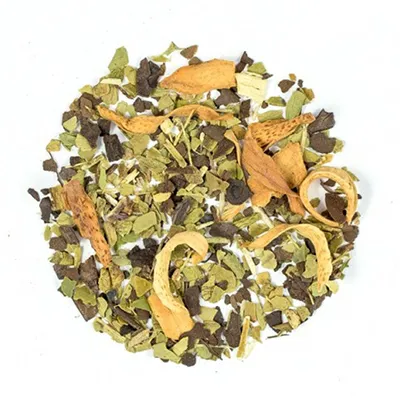 Mate and Lapacho
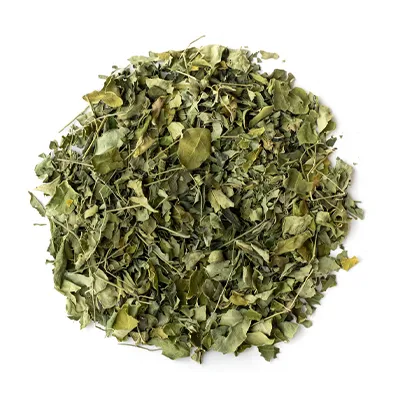 Moringa
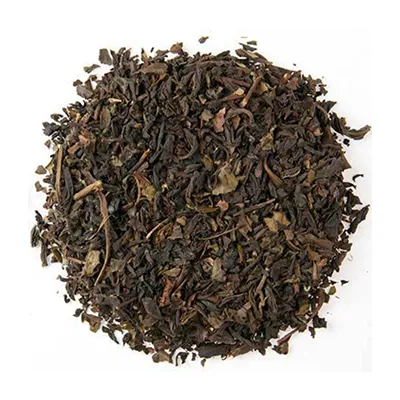 Oolong tea
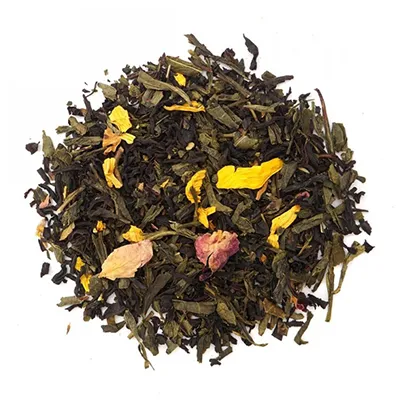 Premium tea
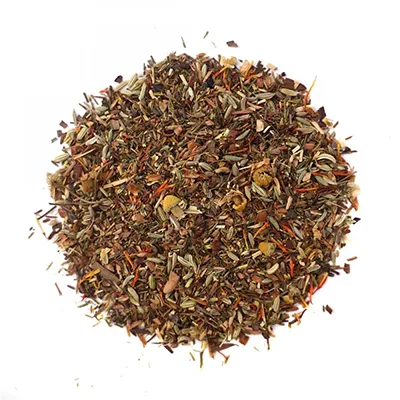 Rooibos and Honeybush
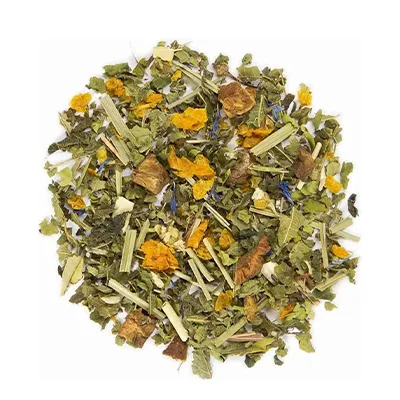 Wellness tea
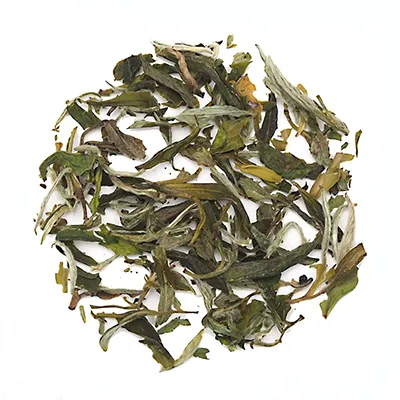 White tea
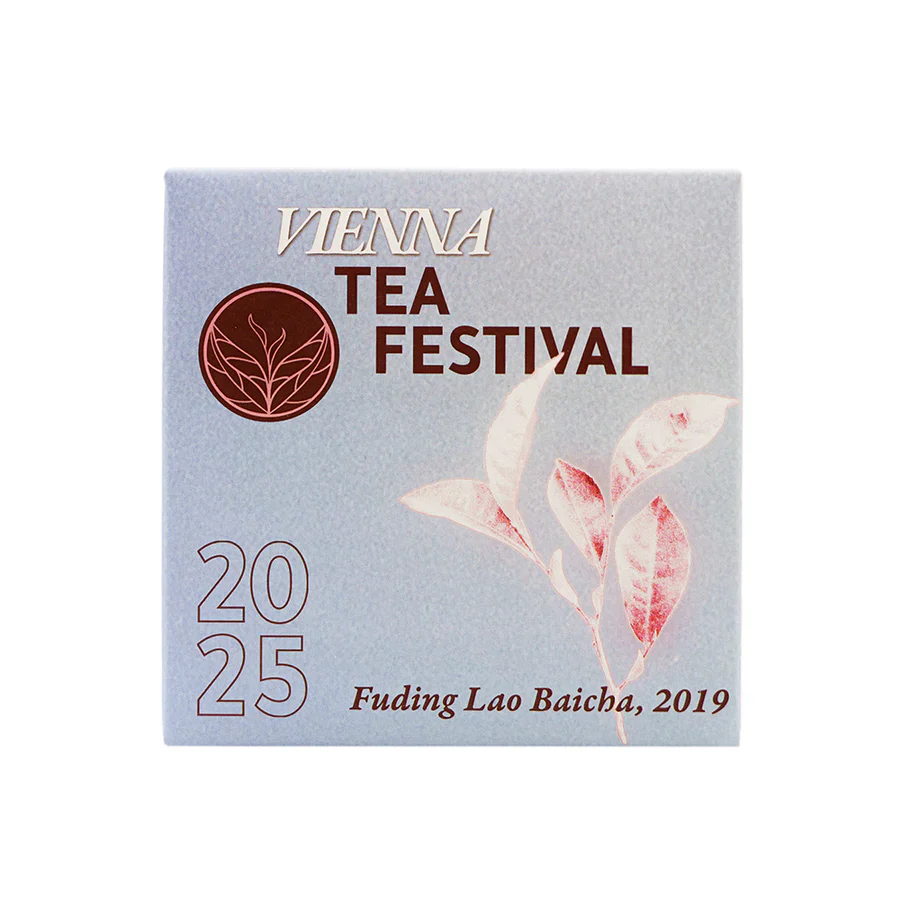 NewQuick view
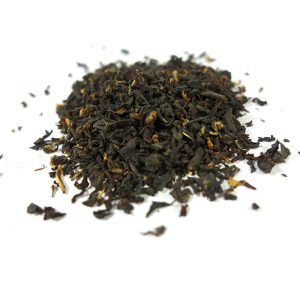 Quick viewBuy This product has multiple variants. The options may be chosen on the product page
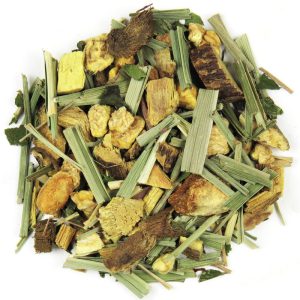 Quick viewBuy This product has multiple variants. The options may be chosen on the product page
 NewQuick viewBuy This product has multiple variants. The options may be chosen on the product page
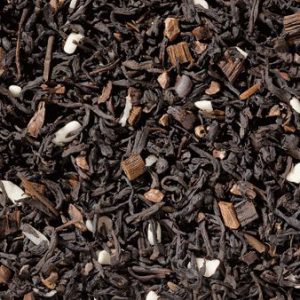 NewQuick viewBuy This product has multiple variants. The options may be chosen on the product page
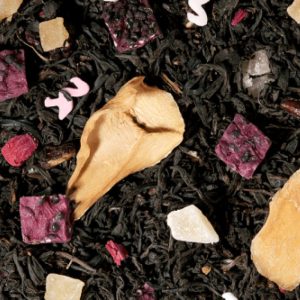 NewQuick viewBuy This product has multiple variants. The options may be chosen on the product page
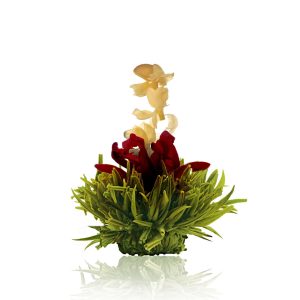 NewQuick view
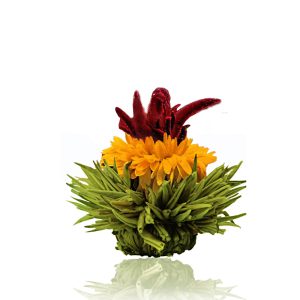 NewQuick view
 NewQuick view
 Quick view
 Quick view